Historical research can be fun.
The Q1 and Q2 mentions in this larger document that describes the machine types associated with each serial number had been puzzling for a while. Initially thought to relate to the Cray-2 half quadrant machines but then it was suggested that this might relate to a project called “Quartherhourse” . Searching for Quartherhorse AND Cray found a reference in a dormant linked in profile. Some help from social media and John F. found the answer …


From Phil Gerskovich on FB 2026/11/06
Quarterhorse was planned to be an air-cooled ECL machine. The national labs wanted to buy a lot of them. But Seymour said no. He felt that if Cray did it, it would just be repeating the CDC history, (ie: do low end machines and abandon the high end). When Cray decided not to do it, it opened the door for others to fill the space like Convex.
John Fleming says …..
Hi Clive, I followed up on the Quarterhorse topic and sent a message to Peter Gregory via LinkedIn. I was not too hopeful of a response because his entry was marked as retired and a rough calculation suggested he was 93! However I got an almost immediate response from Peter. He tells me he is actually 91 and still working. He tutors Math applicants for SAT college entrance exams. He has been doing this for the last 10 years and has reached nearly 1000 students helped. He confirms that the Cray-1Q was a single quad Cray-2. The Quarterhorse project was the first attempt to broaden the appeal of the Cray architecture by creating a less powerful and much less expensive machine. There was some level of consensus that a £500K machine with 1/4 the power of a Cray-1 (target clock at 40nsec) would be buildable but at that point no decision to commit to build was taken. Part of the rationale was that it would be a distraction for the software effort and take away from dealing with larger numbers of processors. The market was open to other solutions partly because DEC did not have a follow-on to the VAX 11/780. The business plan for Scientific Computer Systems was built by an ex FPS Sales head who then hired the engineer who developed the Gould SEL32 – thus the SCS-40 was born, but ultimately wasn’t successful. BW John
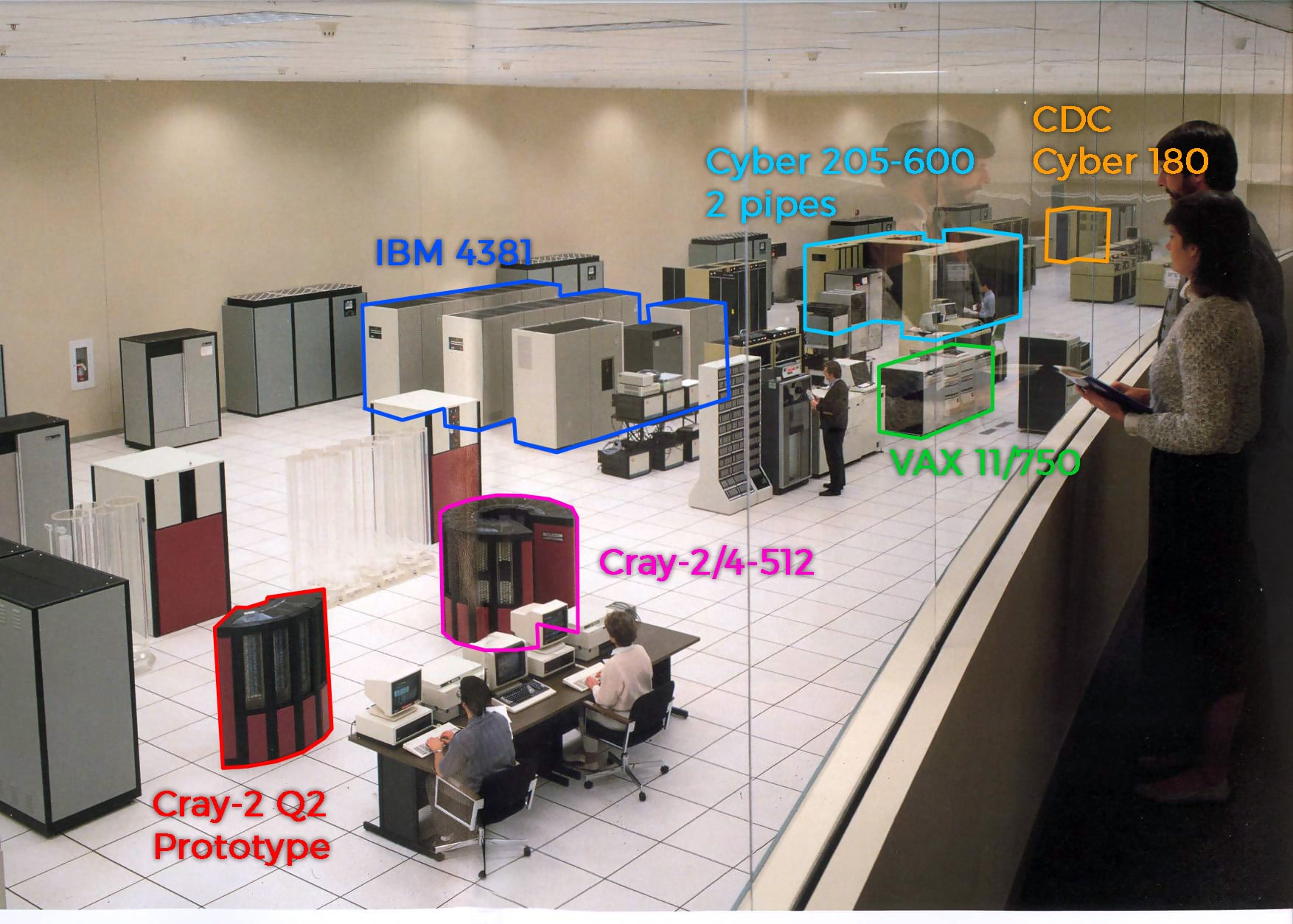
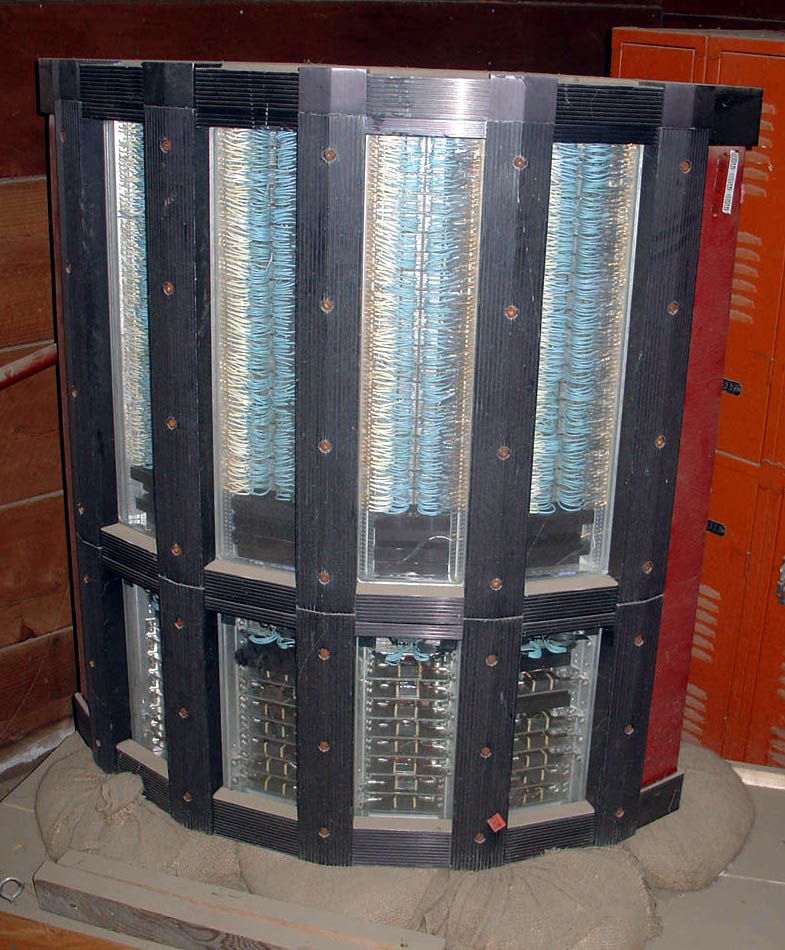
Looks like Q1 & Q2 are confirmed as being Cray 2 mini systems as seen in the images below. Possibly the built without floating point logic.